River Hills Estate Homes & Estate-Style Living Guide
May 7, 2026
May 7, 2026
If you are searching for space, privacy, and a home that feels set apart from the usual suburban pattern, River Hills deserves a closer look. This is a market where the land, the setting, and the long-term stewardship of a property matter just as much as the house itself. If you want to understand what estate-style living in River Hills really means before you buy, this guide will help you see the big picture and the details that matter most. Let’s dive in.
In River Hills, estate-style living is shaped less by one architectural look and more by how the village is planned. Local zoning and planning documents describe a low-density, tree-lined community that values open space, large lots, privacy, and proximity to Milwaukee. That gives many homes a secluded, established feel that is hard to replicate in a more conventional subdivision.
The lot structure is a big reason why. The village facts page reports that about 62% of River Hills is zoned for single-family homes on lots of at least 5 acres, 27% on lots of at least 2 acres, and 11% on lots of at least 1 acre. Those lot sizes create breathing room and help define the market as an estate-style setting.
Setbacks add to that sense of space. Under the current zoning ordinance, R-1 lots require at least 100-foot front setbacks and 75-foot side and rear setbacks. That means separation is built into the village’s layout, which supports privacy and preserves the rural residential character the ordinance is designed to protect.
River Hills is small by design. The village facts page reports 5.5 square miles, 1,595 residents, and 617 households in 2022. That relatively small footprint, paired with low density, helps explain why the area often feels quiet and tucked away even though it remains close to Milwaukee.
The comprehensive plan reinforces that identity. It describes River Hills as a place of large residential lots, tree-lined streets, and low density. Resident survey responses highlighted open space, rural character, large lot sizes, quiet neighborhoods, privacy, and older well-built homes and yards as some of the village’s most valued qualities.
For a discerning buyer, that matters because you are not only buying square footage. You are buying into a setting with rules and expectations that are meant to preserve how the community looks and feels over time. That consistency can be a meaningful part of the appeal.
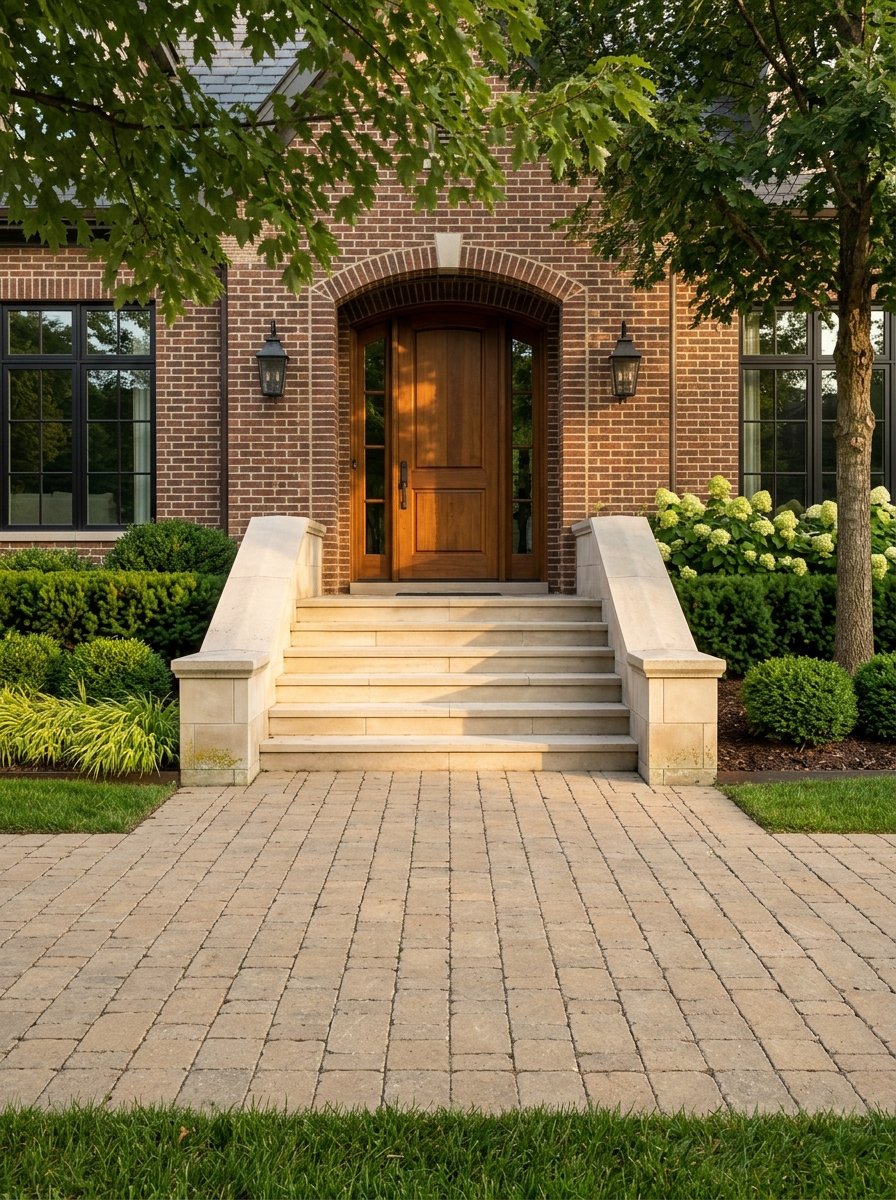
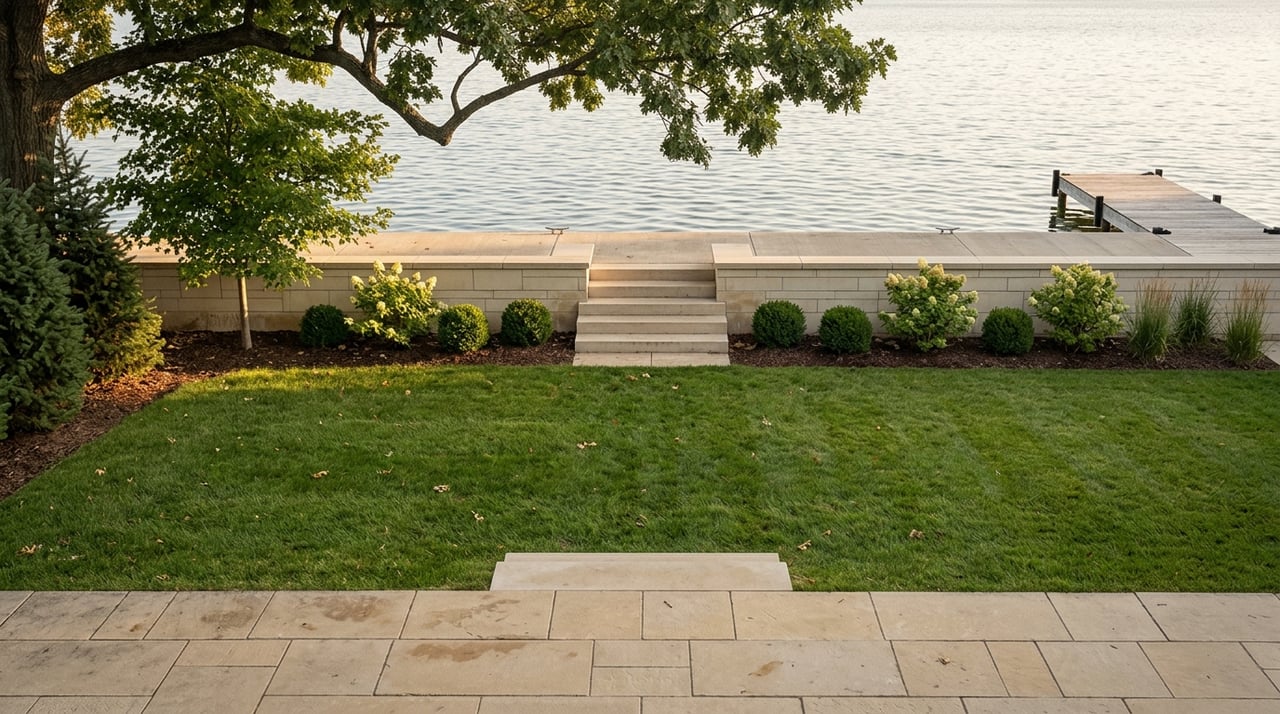
A River Hills property often offers more than a bigger lawn. The village’s construction guidelines show that landscaping, screening, lighting, and site design are all part of the overall character. In practical terms, the homesite itself is often a major part of the value story.
The guidelines require landscaping plans that show tree species, shrub placement, ground cover, patios, fencing, exterior lighting, driveways, pillars, and gates. The plan must be completed within one growing season after occupancy. This tells you that the exterior presentation of a property is treated as an important part of the village environment, not as an afterthought.
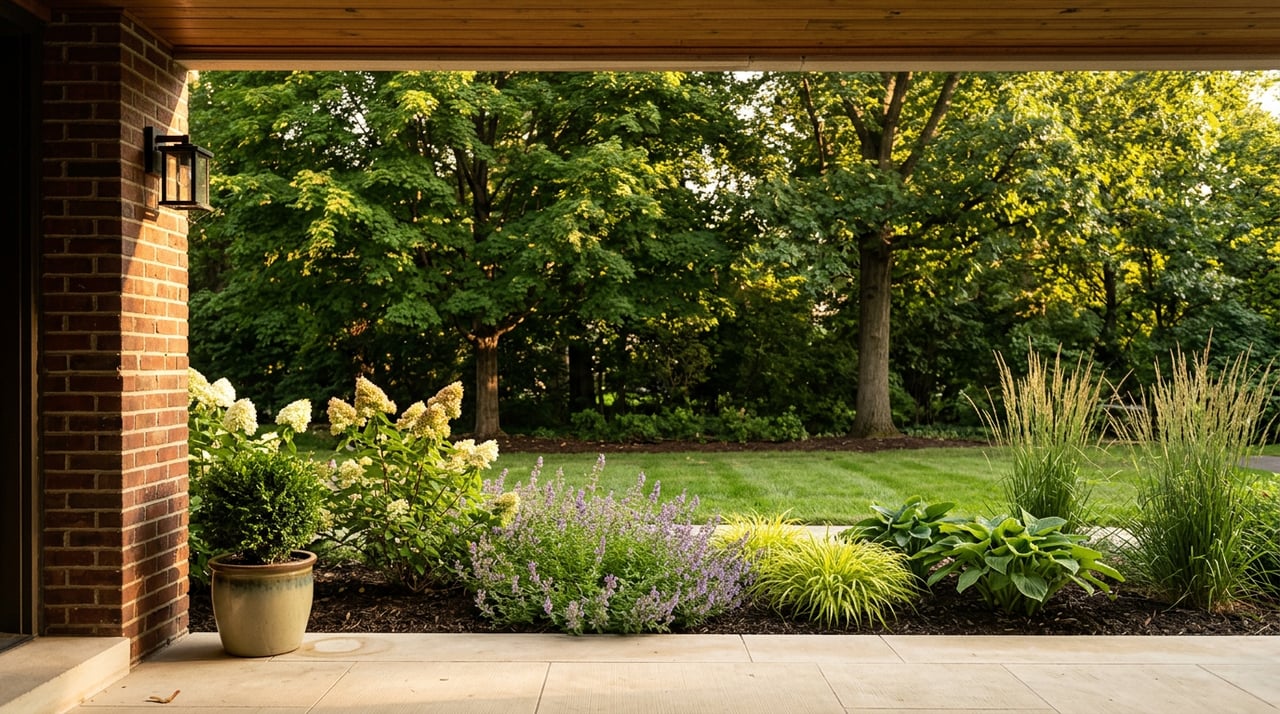
Natural landscaping is encouraged, and preserving the natural grade is preferred when possible. The guidelines also generally expect good-quality vegetation in setback areas to remain in place to support privacy. For buyers who love mature trees, layered landscaping, and a more established setting, this is often part of what makes River Hills so appealing.
Privacy in River Hills is not accidental. It is supported by lot sizes, setbacks, vegetation, and design standards that reduce visual clutter. That can create the sense of retreat many luxury and move-up buyers want.
The village also encourages screening for pools, sports courts, generators, waste bins, and other visible equipment. Outdoor lighting must be shielded to reduce glare onto neighboring properties. Large areas of pavement between the lot line and setback line are discouraged as well.
All of this means a River Hills property may offer a more intentional outdoor experience. When you tour homes here, it helps to look beyond the interior finishes and pay attention to how the site is laid out, how privacy is created, and how the landscaping supports the home.
One of the biggest misconceptions buyers can have is assuming every property in River Hills works like a standard suburban home. The research suggests that utility setup can vary from parcel to parcel. That makes due diligence especially important.
The zoning findings state that the village has no public water system. The comprehensive plan says River Hills relies on groundwater for potable water, although some residents are served through neighboring communities through water purchase agreements. In other words, you should verify the water source for the specific property you are considering rather than assume a uniform setup.
Waste systems can vary too. The comprehensive plan says most River Hills properties are served by sanitary sewer, while only about eleven of more than 750 properties are on onsite septic systems. The village’s plumbing and sewage ordinance also notes that private sewage systems require a sanitary permit, and the village can require inspections and water-quality tests at the applicant’s expense when a well permit is involved.
Because River Hills homes are often more site-specific, a careful review upfront can save time and stress later. A polished listing presentation does not always tell you how a property functions day to day. It is worth slowing down and verifying the basics.
Here are a few smart questions to ask during your search:
For many buyers, this is where local guidance becomes especially valuable. In a market like River Hills, the quality of your decision often comes down to understanding the land as much as the home itself.
Estate-style living can offer beauty and privacy, but it also comes with ongoing responsibility. In River Hills, maintenance often extends beyond standard house systems. Landscape management, tree health, drainage, screening, and site compliance all play a role.
The zoning ordinance specifically aims to regulate lot coverage to avoid overcrowding and to protect drainage. The construction guidelines encourage preserving natural grade and minimizing visual clutter near setbacks. That means upkeep is not just cosmetic. It helps preserve both function and the character that makes the village distinctive.
If you are considering a home with mature landscaping or a large homesite, it is wise to think about long-term care from the beginning. Understanding what it takes to maintain privacy buffers, hardscaping, lighting, and grading can help you choose a property that fits your lifestyle comfortably.
River Hills is not a high-volume market, and that can affect valuation. Public market data in the research report suggests limited inventory and a small number of sales, which means price trends should be viewed as directional rather than definitive. In a thin market, each property can stand on its own more than it would in a large subdivision with many close comparables.
That matters when it comes to appraisal. FHFA notes that appraisals in rural or low-density areas often have fewer comparable sales, and unique property characteristics can affect the number of comps used. In River Hills, features like acreage, privacy buffers, mature landscaping, utility configuration, and outbuildings may all influence value alongside the home’s condition and finishes.
For buyers, this means the underwriting and valuation process may require a little more patience. It does not mean a deal cannot work. It simply means that a River Hills purchase may need a more careful, property-specific lens than a typical suburban transaction.
When you are evaluating an estate-style property, purchase price is only part of the cost picture. Property taxes can be a meaningful part of long-term ownership in River Hills. Reviewing current tax bills and understanding recent changes should be part of your process.
According to a December 2025 letter from the village president, a $500,000 home was illustrated at $12,776.48 in Glendale-River Hills and $13,217.50 in Maple Dale-Indian Hill for the 2025 bill. The same communication said those examples reflected increases of 14.0% and 7.3% over 2024, and the village’s 2025 tax-bill FAQ said the village tax rate rose 12.3% because debt payments increased.
Those figures are examples rather than a universal rule for every home, but they do highlight why buyers should review taxes carefully before making an offer. On larger or more distinctive properties, carrying costs can shape affordability just as much as the mortgage payment.
River Hills tends to appeal to buyers who value privacy, land, and a quieter residential setting. If you want room to spread out, mature landscaping, and a more tucked-away feel near Milwaukee, it can be a compelling option. It may also suit buyers who appreciate older well-built homes and are comfortable with a more hands-on approach to property stewardship.
At the same time, this is usually not a plug-and-play housing choice. The tradeoff for low density and estate-style setting is more due diligence on utilities, more attention to site rules, and potentially more nuance in appraisal and long-term maintenance. For the right buyer, those tradeoffs are part of the appeal because they help preserve what makes River Hills special.
If you are comparing North Shore options, River Hills stands out for the way the village protects space, privacy, and landscape character. That is what gives the market its estate-style identity and why buyers often see it as a long-term lifestyle decision, not just a move.
If you want help evaluating River Hills homes with a clear understanding of the land, the market, and the details behind the listing photos, Brynn Woll can help you navigate the process with local perspective and a personalized approach.
Stay up to date on the latest real estate trends.
Brynn is committed to providing personalized and comprehensive real estate services, ensuring a seamless and successful experience for every client.
BRYNN WOLL
W63N706 WASHINGTON AVE CEDARBURG WI 53012