Shopping for a higher‑end home in Mequon and hearing the term “jumbo loan” everywhere? If you are looking at properties above the standard mortgage limits, you need a plan to qualify quickly and compete with cash. You want clear steps, realistic expectations, and a strategy that helps you win without surprises. This guide walks you through how jumbo loans work in Mequon, what lenders look for, how appraisals differ for luxury homes, and the offer tactics that get sellers to yes. Let’s dive in.
What is a jumbo loan in Mequon?
A jumbo loan is any mortgage amount above the Federal Housing Finance Agency’s conforming loan limit. For 2024, the single‑family baseline limit is $766,550 in most U.S. counties, including Ozaukee County. Loans above that amount are considered jumbo and are not backed by Fannie Mae or Freddie Mac.
In Mequon, many luxury and custom homes exceed the conforming limit. If the loan amount you need is higher than the current FHFA limit, you will likely use jumbo financing or pay cash. Because limits can change each year, check the latest FHFA announcement when you start your search.
Jumbo qualification basics
Jumbo lenders set their own underwriting rules, which are usually more conservative than conforming loans. Expect higher standards and more documentation.
Credit, income, and reserves
- Credit score: Many lenders prefer 740+ for the best pricing. Some accept 700+, often with trade‑offs like higher rates or bigger down payments.
- Down payment: Plan for 20% or more for a primary residence. Second homes or investment properties may require 25–30% depending on the lender.
- Debt‑to‑income ratio: A common target is 43% or less, with many lenders preferring 36% or less for larger balances.
- Cash reserves: Expect to verify 6–12 months of total housing payments in liquid reserves. Some lenders may require more at higher loan amounts.
Documentation you will need
Gather these items before you tour homes so your preapproval is fast and strong:
- Last 2 years of personal and, if applicable, business tax returns with all schedules
- W‑2s for 2 years and recent pay stubs covering 30 days
- 2–3 months of bank and investment statements
- Paper trails for large deposits, including gift letters if needed
- Government ID and Social Security number
- A list of all real estate you own and current mortgage statements
- Documents related to a divorce settlement or trust, if applicable
Underwriting nuances to expect
Each lender has overlays that change minimum scores, reserve months, and acceptable income calculations. If you are self‑employed, be ready for a closer review of business cash flow and 2+ years of tax returns. Ask lenders to put key terms in writing, including rate, points, reserve requirements, and down payment minimums.
Appraisals on Mequon luxury homes
Why valuations are tricky
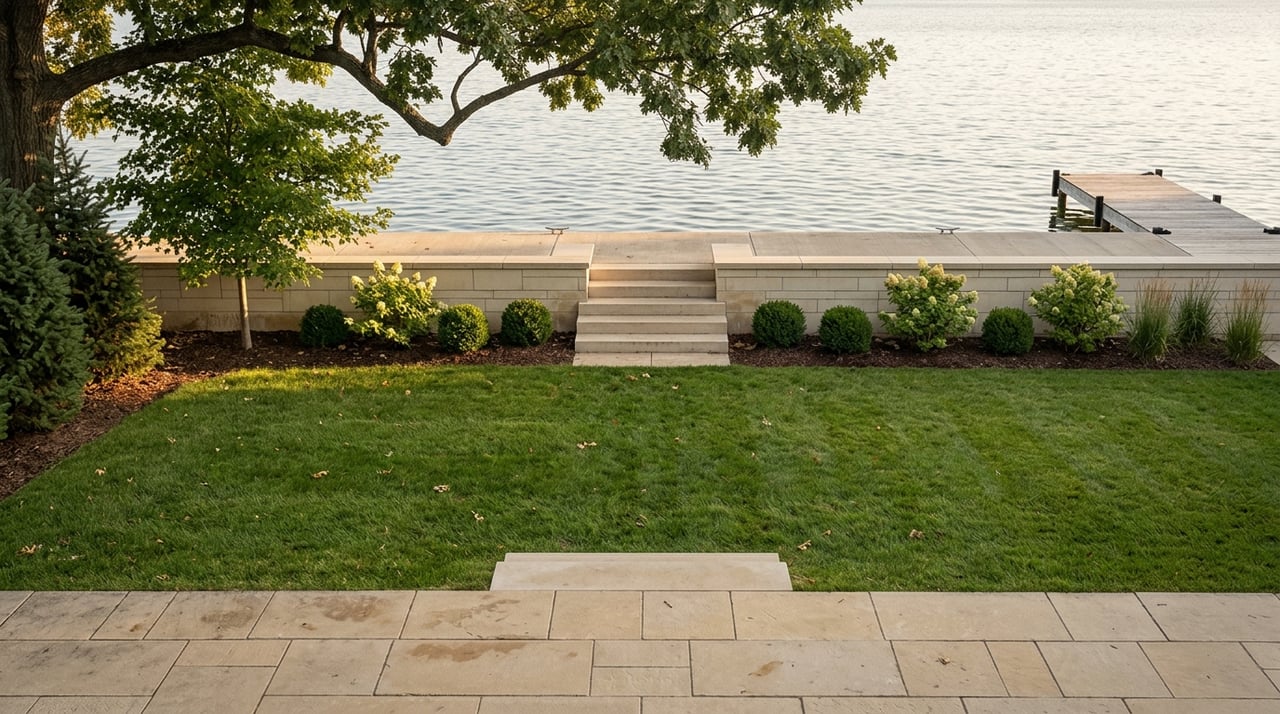
Mequon’s upper end includes waterfront properties, large parcels, and custom builds. These homes often lack close comparable sales. Appraisers may need to pull comps from a wider area and make larger adjustments. Unique features like waterfront access, private piers, accessory structures, and high‑end finishes require careful documentation. Rural or semi‑rural properties with septic or well systems can also affect valuation and lender conditions.
Timing and process
Luxury appraisals can take longer to schedule and complete than standard suburban assignments. Expect more detailed narrative analysis, comps from outside the immediate neighborhood, and adjustments for site, view, and use. Build extra time into your closing calendar and confirm the lender’s appraisal capacity upfront.
How you can reduce appraisal risk
- Choose a lender that uses appraisers experienced with Mequon and Ozaukee County luxury homes.
- Provide a thorough feature list, professional photos, and floor plans to help the appraiser understand the home.
- Plan for an appraisal gap. If the value comes in low, decide in advance how much extra cash you can bring to close.
Offer strategies to beat cash
Winning at the luxury price point is about speed, certainty, and clarity.
Strengthen your preapproval
- Get a fully documented preapproval, ideally with an underwriter sign‑off.
- Include your lender’s contact info with your offer.
- Offer proof of reserves and, if applicable, proof of asset liquidation plans.
- Confirm the lender can order the appraisal immediately after acceptance.
Structure a competitive offer
- Emphasize certainty with a larger earnest money deposit within local customs.
- Keep timelines tight but realistic, especially for financing and appraisal.
- Consider appraisal gap coverage if you have the liquidity.
- Discuss locking your rate and moving quickly on the appraisal to compress the timeline.
If you need to sell first
Bridge loans or HELOCs can help you avoid a home sale contingency and keep your offer clean. Review costs, risks, and repayment plans with your lender so you are comfortable before you write.
Choosing the right jumbo lender
Lender types in Wisconsin
- Local portfolio or community banks: Often faster with in‑house underwriting and flexibility on unique properties.
- Regional lenders and credit unions: Competitive rates with personable service.
- National lenders: Broad product menus; confirm jumbo processing capacity and timeline.
- Mortgage brokers: Can shop multiple jumbo programs, including specialty options for complex income.
Smart questions to ask
- Do you underwrite jumbo loans in‑house or send them to an investor?
- What are your typical closing times for jumbo loans in Ozaukee or Milwaukee County?
- What minimum credit score, down payment, and reserve months do you require for my target price point?
- Do you have recent experience with waterfront or other unique properties in Mequon?
- Can you share references for recent Mequon jumbo closings?
Verify and compare
Use NMLS Consumer Access to verify licensing and review backgrounds. Check Wisconsin Bankers Association resources for reputable local institutions. Review the CFPB complaint database for patterns. Then compare written quotes that detail rate, points, reserve months required, and estimated timelines.
Mequon jumbo buyer readiness checklist
Documents to assemble
- 2+ years of tax returns, W‑2s, and 30 days of pay stubs
- 2–3 months of bank and investment statements
- Source letters for gifts and large deposits
- ID and SSN
- Real estate owned list and mortgage statements
- Divorce or trust documents if applicable
Financial posture to confirm
- Target down payment and documentation plan
- Liquid reserves in months of principal, interest, taxes, and insurance
- Maximum appraisal gap you are willing to cover
- Any special assessments or easements that could affect financing
Timing and logistics
- Select a lender with proven jumbo closings in Ozaukee or Milwaukee County and confirm current turn times.
- If buying waterfront or rural, schedule septic and well inspections early.
- Coordinate title work, transfer tax details, and any HOA documents as soon as you are under contract.
For sellers evaluating jumbo‑financed offers
- Ask for a detailed preapproval that indicates full documentation and, ideally, underwriter review.
- Consider lender reputation, in‑house underwriting, and appraisal capacity when weighing timelines.
- Compare financing contingencies, appraisal strategies, and earnest money amounts.
- Encourage buyers to order the appraisal promptly and provide proof of funds for down payment and reserves.
Ready to explore Mequon luxury homes or position your offer to win? Connect with Brynn Woll for local guidance, lender introductions, and a tailored plan for your next move.
FAQs
What makes a loan “jumbo” in Mequon?
- A jumbo loan exceeds the FHFA’s conforming limit for single‑family homes, which is $766,550 in 2024 for Ozaukee County; amounts above that are jumbo.
How much down payment do jumbo loans usually require?
- Many lenders start around 20% for primary residences, though requirements vary; second homes and investment properties may require higher percentages.
Do jumbo loans get appraisal waivers?
- Rarely. Jumbo loans typically require full appraisals because they are not backed by Fannie Mae or Freddie Mac’s automated waiver systems.
How long does a jumbo loan take to close?
- Plan for 30–60 days, depending on underwriting and appraisal scheduling; confirm your lender’s current turn times before you write an offer.
Can I compete with cash if I need jumbo financing?
- Yes. A fully underwritten preapproval, strong earnest money, tight but realistic contingencies, and clear appraisal gap planning can make your offer compelling.